
Key Facts Summary
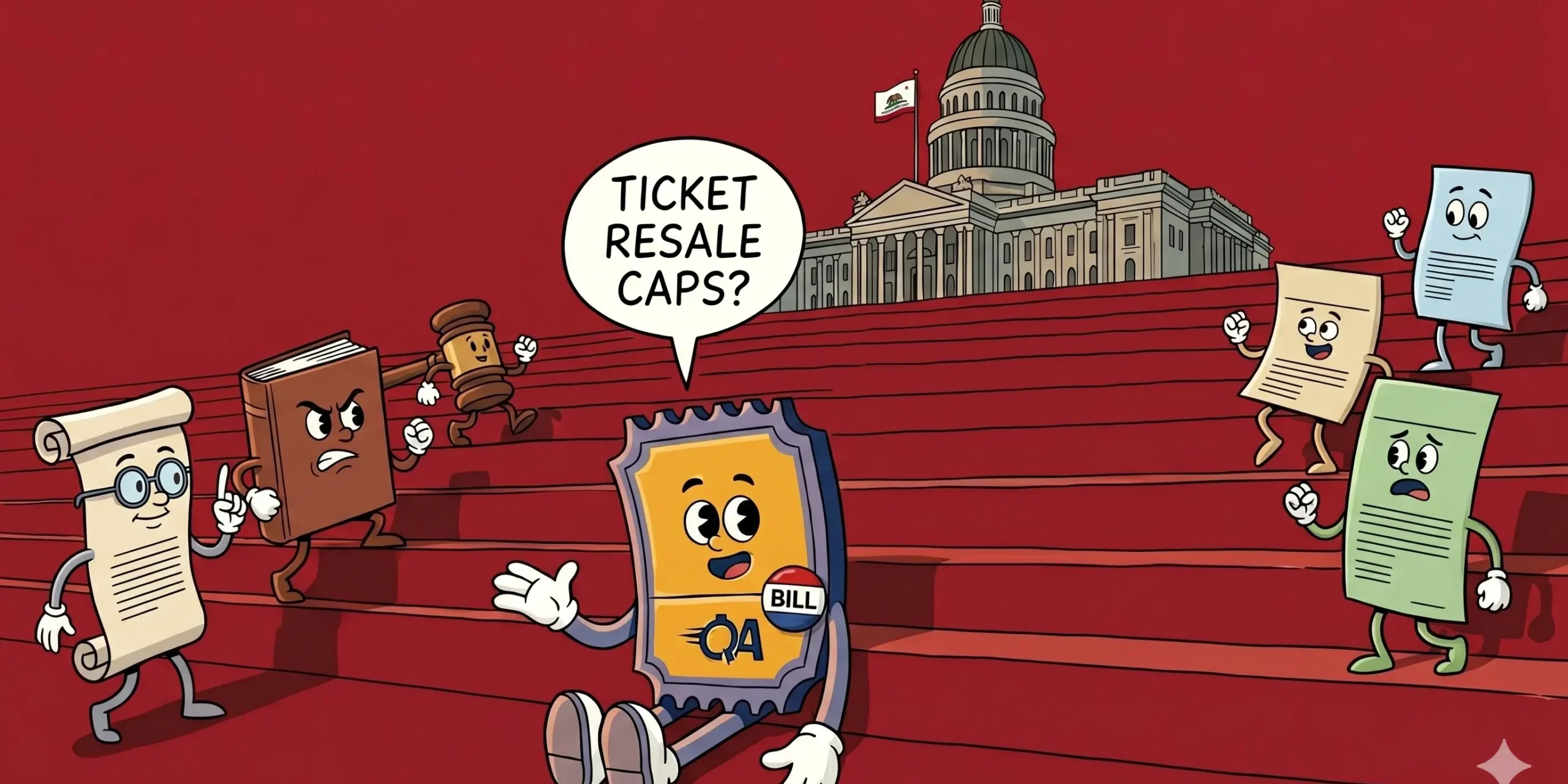
- Bill Name: AB 1720 – California Fans First Act
- Author of AB1720: Assemblymember Matt Haney (D–San Francisco)
- Bill Introduced: February 2026
- Current Status (as of April 13, 2026): Passed Assembly Committee on Arts, Entertainment, Sports & Tourism on April 7–8, 2026 (6-1 vote); re-referred to Privacy and Consumer Protection Committee.
- Resale Cap: Prohibits resale above original face value + 10% (including fees) for concerts, comedy, theater, and similar live entertainment events in California.
- Sports Exemption: Explicitly does not apply to professional athletic events, collegiate/amateur sports, or events involving teams representing foreign nations (including Olympics and FIFA World Cup).
- Target: Speculative scalping, bots, and excessive markups by large-scale resellers.
Global Secondary Ticket Market Projection: Expected to grow from ~$2.09 billion in 2026 to $4.71 billion by 2035 (CAGR of ~9.4%).

What Is AB 1720 and How Does It Work?
AB 1720, known as the California Fans First Act, seeks to protect ticket buyers from excessive resale pricing on live entertainment events. The bill adds a new section to the Business and Professions Code that prohibits ticket sellers from reselling qualifying tickets for more than 10% above the original face value, including mandatory fees. Legiscan
Core Provisions (Direct from Bill Text and Committee Analysis):
- Applies to concerts, comedy shows, theatrical productions, and similar live entertainment events held in California.
- Bans advertising or selling tickets above 110% of the original price.
- Targets speculative listings (selling tickets not yet in possession).
- Allows reasonable fan-to-fan transfers at or near cost when plans change.
- Requires full disclosure of the original ticket price and all mandatory fees in listings.
- Explicit Sports Exemption: The cap does not apply to tickets for professional athletic events, collegiate or amateur sports, season ticket transfers, or major international events like the Olympics and World Cup. Billtexts.amazonaws
The bill passed its first policy committee with a 6-1 vote and continues through the legislative process.
Real-World Context: Coachella 2026 Weekend One general admission passes (original price ~$649) are currently listed on secondary markets for $4,000–$5,000+, demonstrating the type of markups the bill aims to address for entertainment events. Justjared
Why the Sports Exemption Exists — And Why Season Ticket Holders Should Still Stay Informed
Professional sports operate under unique team-controlled season ticket agreements, league policies, and transfer rules that differ significantly from pure entertainment events. The exemption in AB 1720 preserves this established framework.Billtexts.amazonaws
That said, broader regulatory trends make this relevant for NBA, NFL, MLB, and college season ticket holders:
- Ontario, Canada, proposed amendments in March 2026 to cap resale prices for sports, concerts, and live events at the original all-in purchase price (face value + fees + taxes).News.ontario
- LA28 Olympic ticket sales launched April 9, 2026. A verified multi-platform resale program (involving AXS/Eventim as the official secondary marketplace, plus Ticketmaster and Sports Illustrated Tickets) is scheduled to open in 2027 to ensure legitimacy and control. La28
Primary ticket prices continue to rise. The Los Angeles Lakers announced 2026-27 season ticket increases, with some 300-level sections rising 45.9% (from $6,192 to $9,035). Espn
The Debate: Do Resale Price Caps Help or Hurt Fans?
Proponents argue that caps reduce gouging by bots and professional resellers, making events more accessible and directing more revenue to artists, teams, and venues.
Critics, including economists, contend that strict caps can reduce market liquidity, discourage legitimate sellers, lead to more empty seats, and push activity toward unregulated channels. Smarter alternatives often include banning bots, requiring possession before listing, and improving transparency. Progressivepolicy

Practical Guidance for Season Ticket Holders Navigating 2026 Regulations
Drawing from our direct work with sports fans across the U.S., here are actionable steps to protect your tickets:
- Understand Your Team’s Specific Rules — NFL, NBA, and MLB teams often have strict transfer policies, especially for playoffs. Always use approved platforms to avoid account restrictions.
- Avoid Speculative Selling — Never list tickets you do not physically hold. Regulatory scrutiny on this practice is increasing nationwide. Which is why QuickAsyst never posts speculative ticket listings.
- Time Your Sales Strategically — Data from thousands of transactions shows the strongest resale windows are typically 4–6 weeks before the event and again in the final 48 hours for urgent buyers.
- Select Compliant, Multi-Market Platforms — Choose services that automatically distribute listings across verified marketplaces, provide real-time pricing intelligence, and prioritize fast, transparent payouts while supporting regulatory compliance. Enter QuickAsyst!
QuickAsyst: Built for Season Ticket Holders in a Changing Landscape
At QuickAsyst, we have spent years developing a platform specifically for sports season ticket holders. Our flat 20% fee, automatic listings across 12+ marketplaces, same-day pricing data, and 5–7 day payouts help you maximize returns efficiently and responsibly — even as rules evolve.
As regulations tighten and verified programs become standard, experienced tools focused on transparency and compliance give season ticket holders a clear advantage.
What’s your view? Does the sports exemption in AB 1720 make sense given team-controlled season tickets, or should similar rules apply more broadly? Share your experiences in the comments.
Ready to list your tickets compliantly and effectively? Download the QuickAsyst app today.
About the Author
Authored by: Jarrod Rieger: Manager of Revenue & Data Analytics, QuickAsyst
Jarrod is a ticket resale strategist with extensive experience in sports ticketing and secondary market optimization. He leads data-driven pricing and multi-platform strategies at QuickAsyst to help season ticket holders maximize returns.
Sources
- Official AB 1720 Bill Text: https://legiscan.com/CA/text/AB1720/id/3414281
- Committee Passage & Analysis: https://haney.asmdc.org/press-releases/20260408-california-bill-targeting-ticket-resale-scheme-crosses-critical-legislative
- Coachella 2026 Resale Pricing: https://www.latimes.com/entertainment-arts/music/story/2026-04-10/pay-4-000-for-your-coachella-ticket-this-california-bill-may-curb-scalping
- Ontario Resale Cap Proposal (Including Sports): https://news.ontario.ca/en/release/1007203/ontario-protecting-fans-by-capping-ticket-resale-prices
- LA28 Verified Resale Program: https://la28.org/en/newsroom/la28-launches-global-olympic-ticket-sales.html
- Lakers 2026-27 Season Ticket Price Increases: https://www.espn.com/nba/story/_/id/47999734/lakers-plan-major-price-hikes-tickets-2026-27-season
- Secondary Ticket Market Projection: https://www.businessresearchinsights.com/market-reports/secondary-tickets-market-100440
This article is for informational and entertainment purposes only and does not constitute legal advice. QuickAsyst recommends consulting official sources or legal counsel for specific compliance questions.